Bagasse Pulp And Paper Machinery Manufacturer In Rajkot
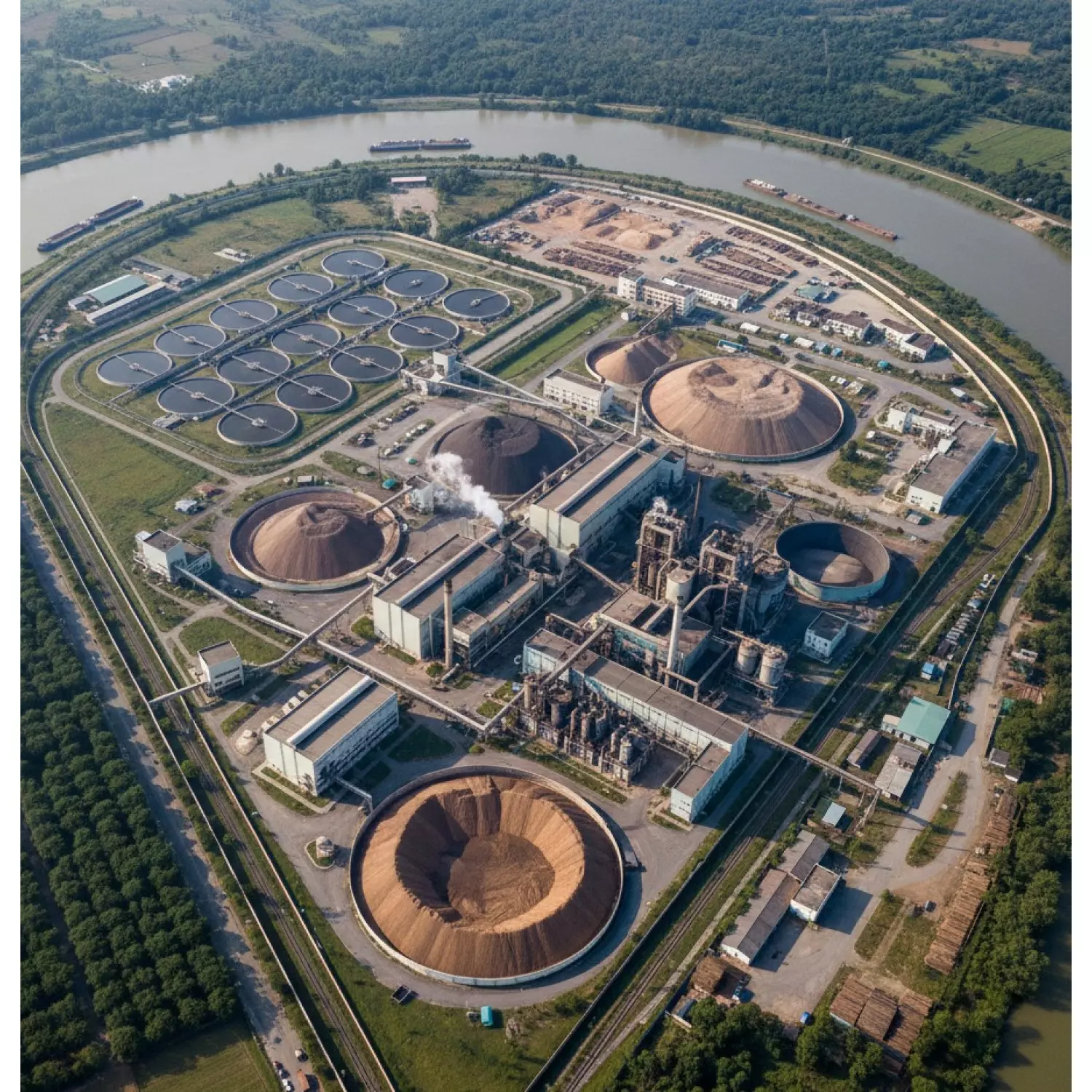
Details of Bagasse Pulp And Paper Machine
Bagasse pulp and paper machinery from Rajkot bring together solid build and clear-cut design, made to handle tough fibrous material without giving up on speed or output. These machines stand through constant use, holding steady even when bagasse quality varies or supply dips. They fit well for mills aiming to work with agro-waste but want a smooth-running process that won’t break the bank on upkeep.
Raw material prep is tricky with bagasse; it needs gentle but firm handling to keep fibres intact while cleaning out unwanted bits. Our machines are built around this challenge, tuned for steady pulping that gets good fibre yield without overdoing energy use or chemicals. The whole system moves the stock from washing through beating to screening in a way that balances throughput with consistent pulp quality.
Design Backed by Real Experience
Material Handling: Handles fibrous bagasse efficiently, reducing fiber loss and wear on parts.
Pulping Process: Adjustable settings for chemical and mechanical pulping suited to different bagasse qualities.
Energy Use: Machines designed for lower power consumption compared to older models working on same capacity.
The designs come after years of dealing with varied agro-fibres under differing conditions across multiple sites (including ones like Rajkot). This experience pushed us to tweak machine parts and layouts so they don't clog or require frequent stops — vital where labour cost is high or downtime hurts production schedules badly.
This manufacturing line handles more than just basic pulp making; it's part of a chain covering washing, screening, refining, drying, all tuned specifically for sugarcane residues. The goal was never flashy tech but durable performance — gearboxes, pumps, rollers are industrial grade and sourced from trusted makers within India or nearby regions (this keeps repairs simpler).
We stand behind every installation because each plant brings unique challenges—humidity swings during monsoon affect fibre handling differently than dry months do; local water hardness can change chemical dosing needs fast. Machines need quick adjustments accessible at operator level without calling engineers every time a variable shifts unexpectedly (this reduces idle hours dramatically).
The last point: suppliers often promise much but deliver little practical help once machines ship out. We keep technical teams ready close enough to Rajkot customers to respond promptly and fix problems before small hiccups turn into costly breakdowns (that’s something most competitors don’t commit fully).
Offered Product